What A Music Supervisor Actually Does
-Jonathan Lane
There’s a version of this job that people like to imagine:
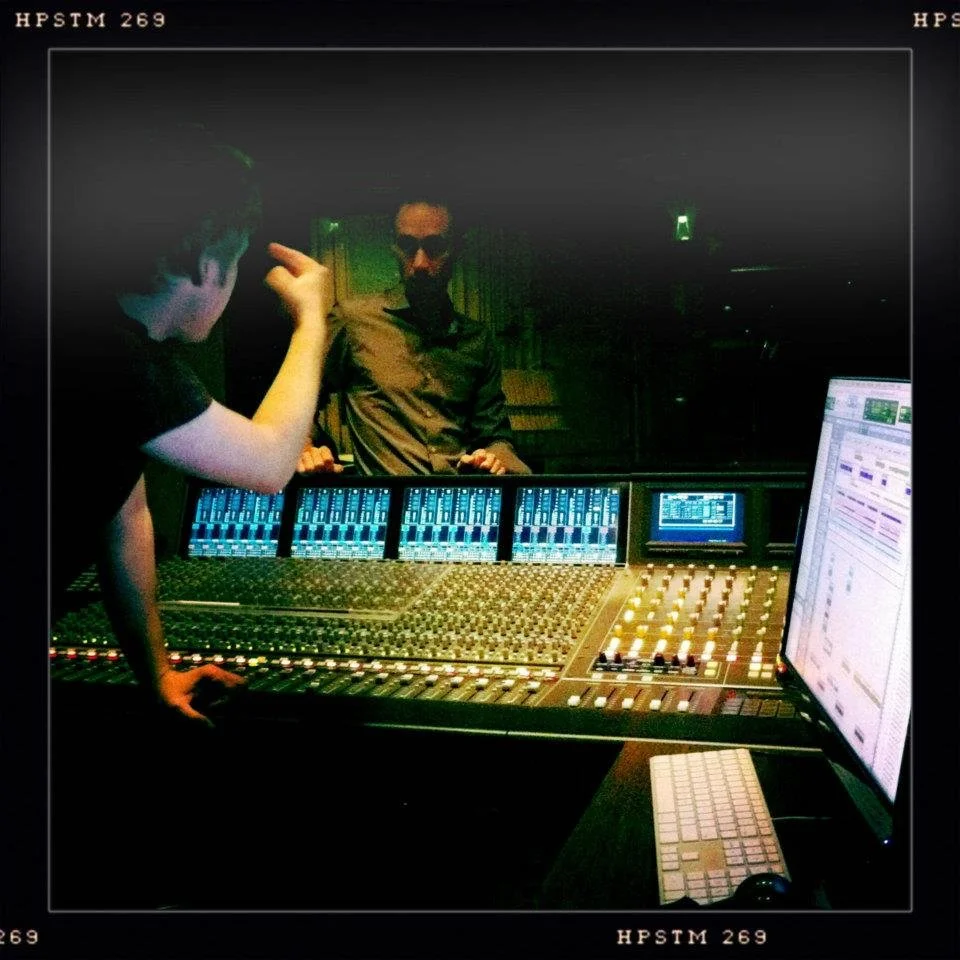
Sitting on a couch, sipping coffee, discovering cool songs all day, making “fire” playlists, and occasionally dropping one into a scene like a tasteful DJ for film / TV / ads. That version exists but, it’s just about 25% of the job.
As my friend and fellow music supervisor Mason Cooper puts it, “the music supervisor is the Head of the music department for a production.” That’s the real job description. Not “playlist curator” or someone with great taste (although I’m not going to lie, we do have impeccable taste – just ask ME!). We’re running a department. Like most department heads, we spend a lot less time “vibing out” and a lot more time making sure the train doesn’t fly off the tracks in a fiery wreck where everyone dies. Sorry that was morbid.
That being said, the creative part is real (and fun), and it’s why most of us got into this in the first place! We read a script and start hearing things in our head. We build playlists, send options, chase that elusive “this feels right” moment with a director who may or may not be able to describe what they want beyond “I want it to sound like TikTok.” We’re translating emotion into sound, which is both deeply satisfying and challenging. That’s the part people see and assume is the whole job. We WISH that was the whole job, but alas… The other 75% is project management disguised as a music career.
Script spotting
It starts before anything is shot. In pre-production, we’re combing through the script looking for anything that even smells like music. A couple gets in a car? Music. Flag it. They walk into a café? Music. Flag it. The writer name-drops a specific song? Big flag. There’s a live band at a festival? BIG FLAG.
This process is called “spotting the script,” and by the end of it, we’ve essentially mapped out every musical moment in the project. From there, we help the production build a music budget based on what’s actually on the page and what they’re hoping to achieve. This is often where dreams are crushed because “we want all Beatles songs” becomes “we have enough money for ONE Beatles song, but we also need to get rid of the other 3 big songs that are written in here to afford it.” In a perfect world, we can get ALL the songs, so long as the production can afford them!
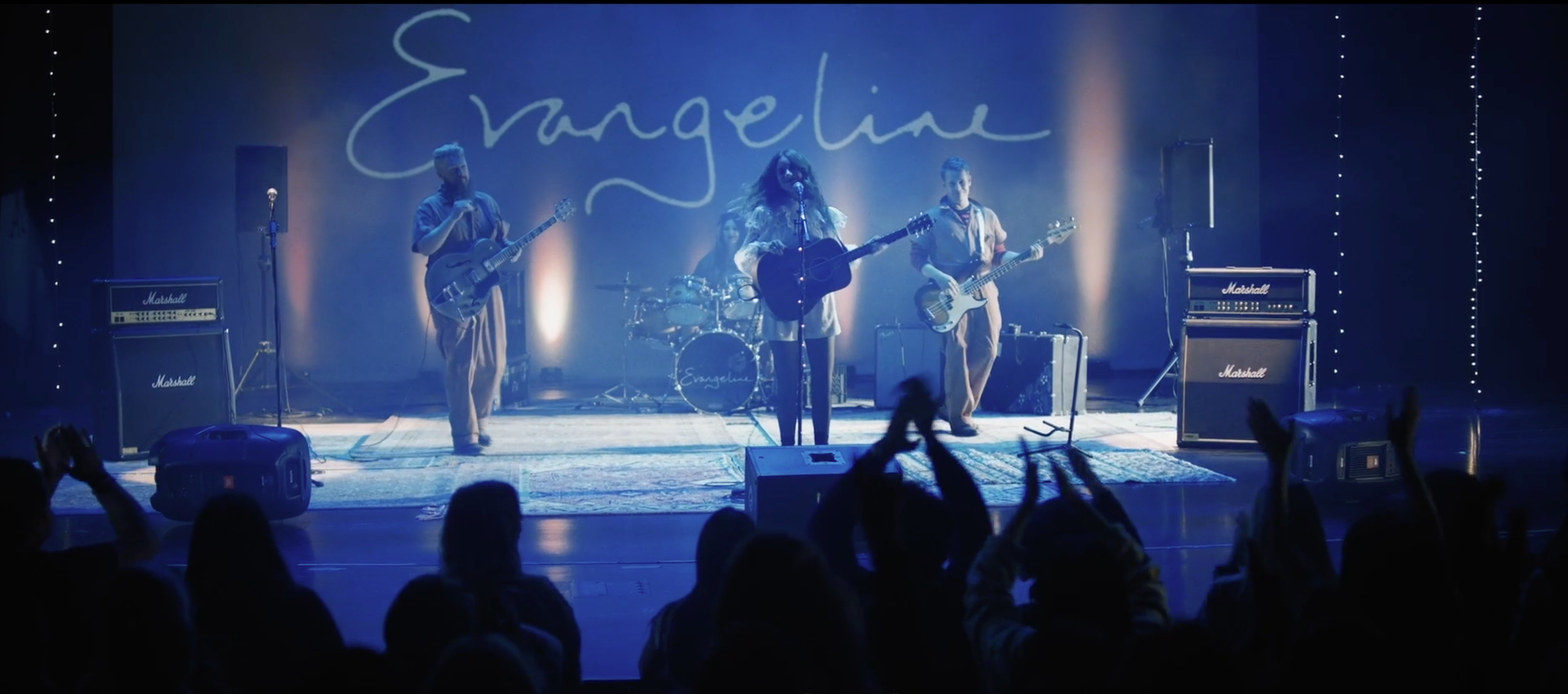
“Winter Spring Summer or Fall” (Paramount Pictures)
On camera music
Pre-production is also where we start solving problems no one else is thinking about yet. If actors are going to “sing” or mime to something on camera, that track must exist before they shoot. If there’s a choir, we need a recording. If there’s a band, we might need to produce their performance ahead of time. That can mean booking studio time, hiring musicians, coordinating schedules, navigating union rules, and generally becoming a part-time line producer for anything music-related.
In some cases, we’re even weighing in on casting. We did this recently at Clearly Music for the film WINTER, SPRING, SUMMER OR FALL. If a role requires someone who can perform convincingly, we might tap our network and suggest an artist who can act (or at least someone who can act like they know how to play guitar).
Simultaneously, we’re already starting to think creatively. We might begin sourcing music early just to help the director start hearing the world of the project. We’re also often recommending composers, pitching music options, and helping shape the overall sonic identity before a single frame is shot.
Then production starts, and things don’t slow down. If there are music-heavy scenes, we might be on set ensuring playback audio is correct and gently coaching actors, so they look like they’ve held an instrument before. Off set, we’re building playlists, refining ideas, and starting the process that most people have no idea exists: music clearance.
Clearance
For all songs, you need approval from two sides: the master (the actual recording) and the publishing (the underlying composition). Sounds simple enough until you realize there are often multiple writers, each sometimes with different publishers, all of whom need to approve. It’s not unusual to be dealing with five, ten, sometimes more entities for a single song. And every one of them must agree on the same terms. Now multiply that by 30 to 50 songs in a film.
Every approval requires a fully transparent run-down of the requested use and terms: what the project is, how the contemplated song is used, how long it plays in the scene, where it’s going to be distributed, for how long, and, of course, how much money is involved. Only when everyone agrees on everything does the song actually get cleared. This is a negotiation, so often lots of back and forth here.
There are some outliers in this process: Music libraries generally offer “one-stop” tracks where one entity controls everything, and indie artists might own all their rights, which simplifies things. But a lot of the time, this is a relationship-driven process. The cliché that “it’s a relationship business” is annoyingly overused, but IT’S TRUE. You need labels, publishers, managers, and artists to get to a “YES.” They need US to bring them opportunities worth saying “yes” to.
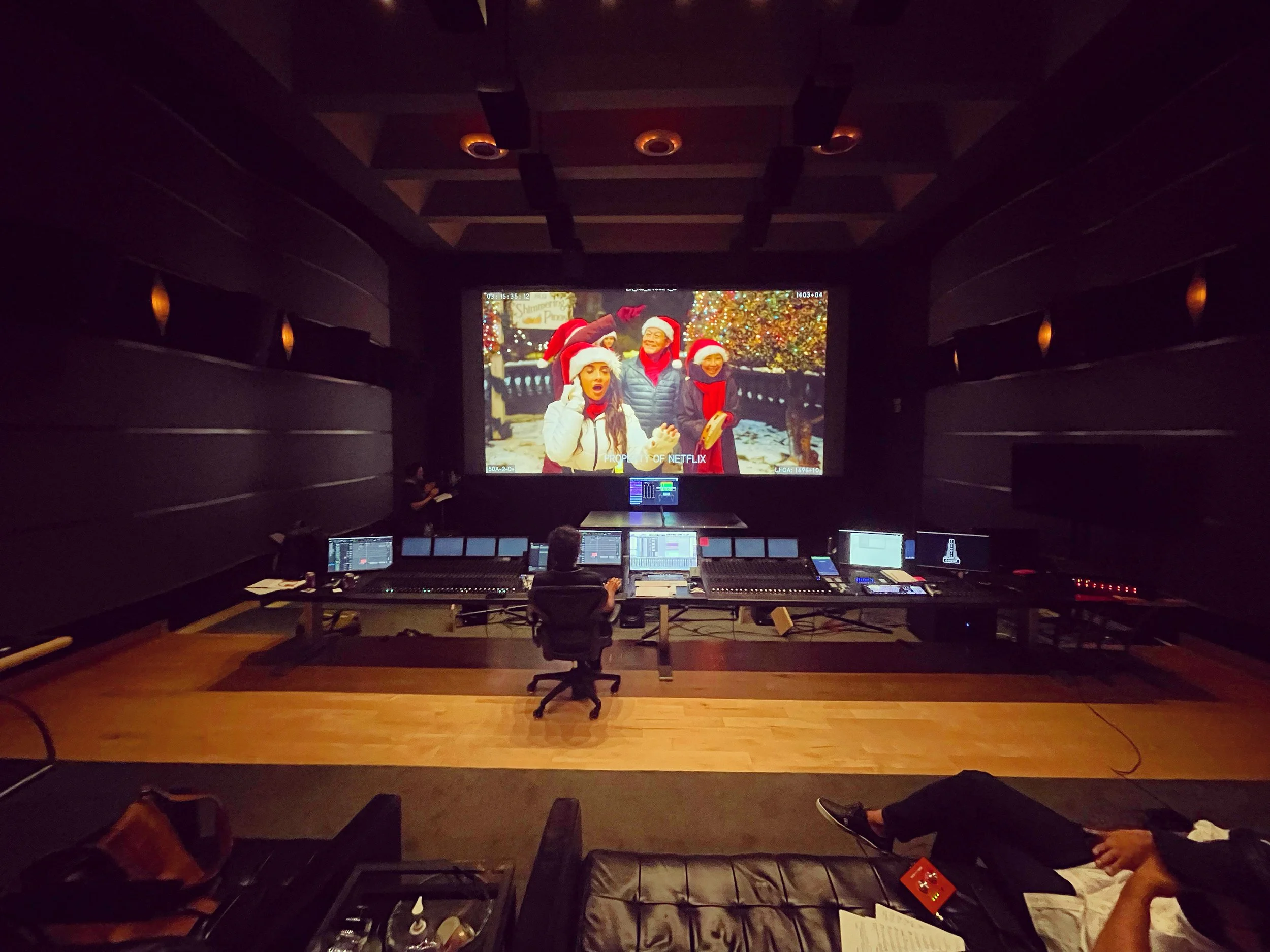
Formosa Studios: “Love Hard” (Netflix)
Post production spotting
Once filming wraps, we enter post-production, which is where everything really kicks into high gear. Now the project is being edited, and for the first time, we can actually see and feel how the music is working (or not working). This is when we’re swapping tracks in and out constantly, chasing tone, fixing scenes that feel flat, and trying to elevate moments that almost land but don’t quite get there.
At the same time, we’re deep in clearance negotiations. Emails are flying around, quotes are being negotiated, and paperwork is stacking up. It’s a lot! Seriously!
Then comes the spotting session, which is essentially a group viewing where the director, editor, composer, and music supervisor sit together and go through the project in detail. We’re deciding where music starts and stops, whether a cue is doing its job, or whether something needs to be replaced entirely. It’s collaborative in nature and usually is followed by a fresh round of notes that send us right back into playlists and revisions.
Licensing
Eventually, we reach the point where the music is close to final. This is when the paperwork phase becomes unavoidable. Every confirmed song needs a license, and every license needs to reflect the agreed-upon terms. Every party involved needs to sign and get paid. (and remember, each song might involve multiple parties). So, you’re tracking dozens, sometimes hundreds, of agreements and payments across a single project.
It’s not glamorous, but it’s the part that legally allows the music to exist in the show or film so people don’t get sued. Even after the project is delivered, we’re often still “in it” chasing final paperwork, answering follow-ups, making sure everything is fully buttoned up while everyone else has moved on to their next thing.
Then, at some point, we watch the finished project. A song hits exactly where it should, and a scene lands perfectly, grabbing you by the guts of your emotions. It all feels intentional and effortless, and you sort of forget all the blood, sweat, and tears it took to get there. Maybe not tears…but, you get it (okay, sometimes tears).
As you can imagine, we believe that music is truly one of the most important tools in helping to tell a beautiful, scary, action-packed, or hilarious story. We’re super passionate about this work and feel like we have such a critical responsibility for every project that we touch. It’s a labor of love, we’re honored that we can be trusted to help tell these wonderful stories and entertain the public, one “fire playlist” at a time!